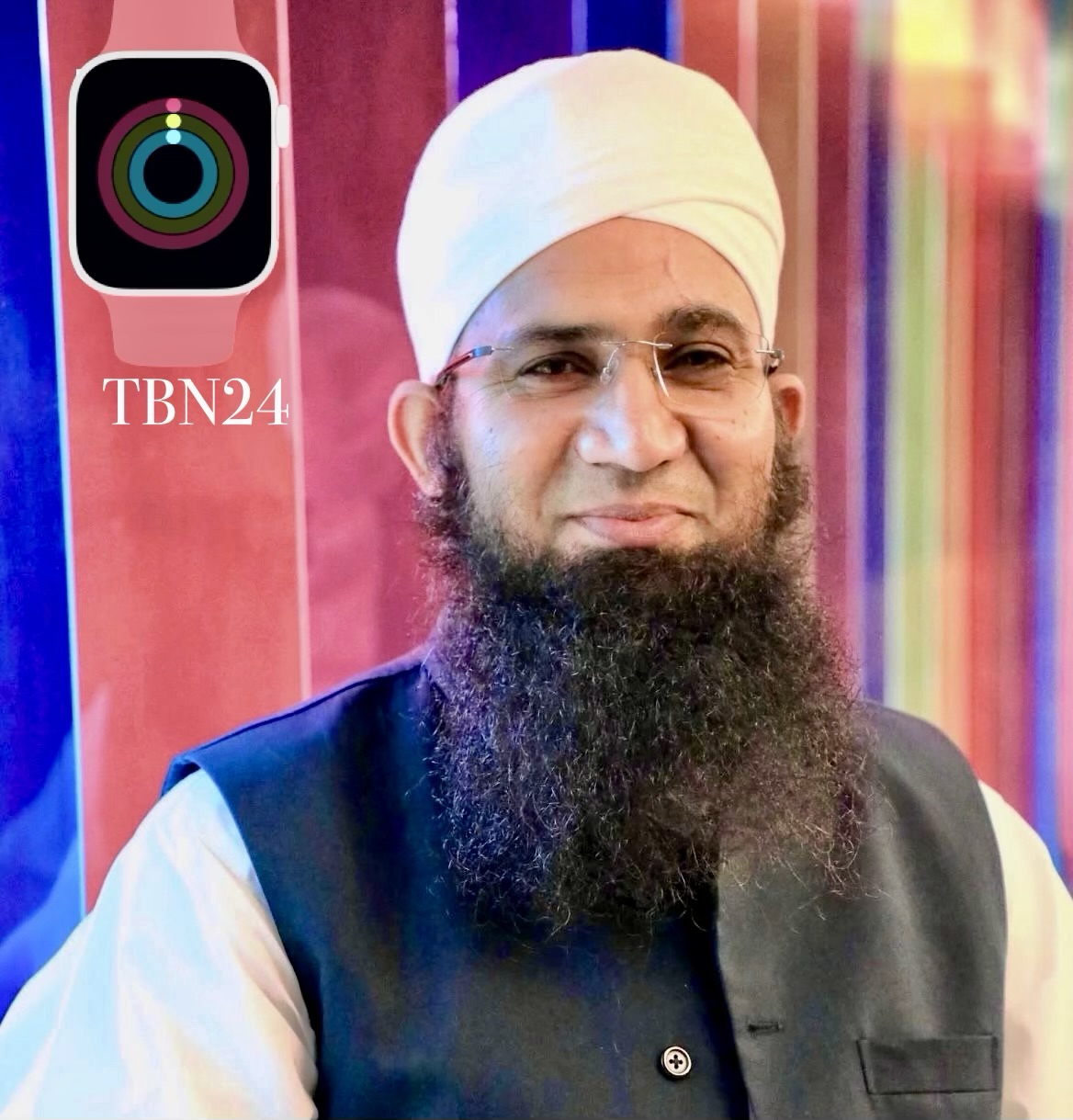
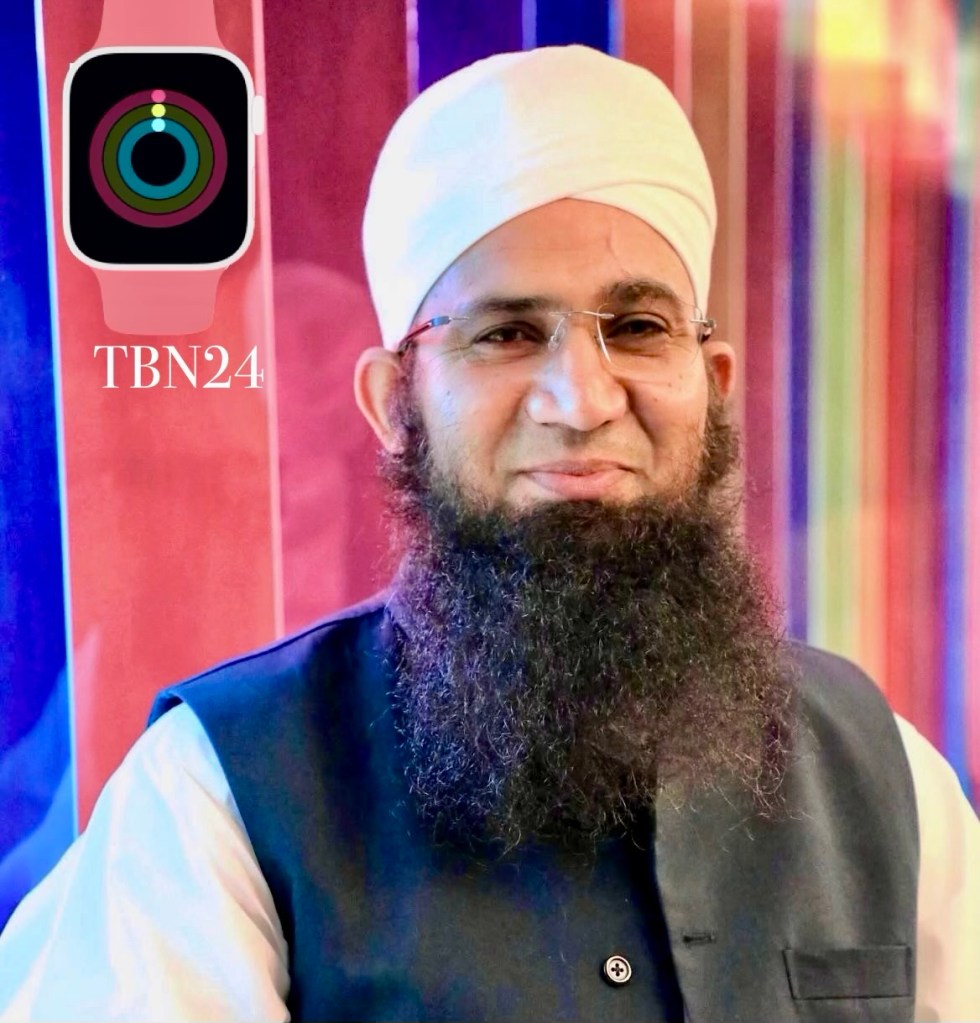
নিউ ইয়র্ক সিটির স্থানীয় তাবলিগি মসজিদ ব্যবস্থাপনা, মারকাজ নিয়ন্ত্রণ এবং দাওয়াতী সফরে—নিজ কর্তৃত্ব প্রতিষ্ঠার প্রয়াস চালাচ্ছেন ‘আমেরিকান স্পেশাল তাবকা’-র অন্তর্ভুক্ত পাকিস্তানি প্রকৌশলী আবদুর রশিদ।
Reported by Tabligh News 24 Editor
Based on the ongoing global rift in the Tablighi Jamaat movement, the situation in New York involves competing factions within the Nizamuddin World Markaz group.
(1) The Rift Context: The global Tablighi Jamaat split is primarily between followers of Maulana Saad Kandhalwi (based in Nizamuddin Markaz, Delhi) and the Alami Shura (often aligned with Raiwind, Pakistan).
(2) Abdur Rashid’s Role: The Pakistani Engineer Abdur Rashid appears to be leading a faction that, while theoretically under the Nizamuddin banner, asserting its own authority in local mosque management, markaz controls and preaching tours (jamaats). This aligns with broader trends where local workers in diaspora communities break away from the central Nizamuddin leadership, creating “factions within factions”.
A rift has emerged among the laypeople participating in overnight vigils at four Tablighi centers in New York City, stemming from the actions of Pakistani engineer Abdur Rashid. There is a widespread consensus that Rashid is exploiting Abdul Badi—the *Zimmedar* (coordinator) for Region 1—and the American *Amir* of Pakistani descent for his own personal gain.
The Global Amir of the Tablighi Jamaat, Maulana Saad Sahib db is completely unaware of this matter. Although the established protocol dictates that decisions be reached through *Mashwara* (consultation), a decision was made without any form of consultation whatsoever, under the influence of Rashid. Acting on Rashid’s directive, Saturday—rather than the customary Thursday—has been designated as the day for *Shabguzari* (night-vigil) at four specific *Markazes*.
For several years, the activities of the Tablighi Jamaat in the United States were conducted smoothly under the stewardship of Maulana Shawkat Sahib of Nizamuddin. However, since his replacement last year, the Jamaat’s operations have been undermined, having fallen into the clutches of autocrats like Rashid.
Pakistani Engineer Abdur Rashid is playing Bangladeshi Dr. Abdul Awal’s Role: Dr. Abdul Awal (based in New York) is identified as a head or prominent figure within the Alami Shura faction, which has taken a distinct stance against Maulana Saad’s leadership, focusing instead on the guidance of the Shura.
(3) New Fiction/Tensions: The “new fiction” (division/tension) created by Abdur Rashid likely represents a further localization or splintering, where Pakistani-aligned local leaders in New York challenge existing structures, including both the pro-Saad group and perhaps, at times, the older Alami Shura leadership, to gain control over local markaz (center) activities.
These disputes frequently cause intense competition for control over local markaz control, mosque management and the direction of travelling preaching teams (jamaats) in Western countries.
The reported emergence of a new faction within the Nizamuddin World Markaz group in New York, led by Pakistani Engineer Abdur Rashid, mirrors the broader global split in the Tablighi Jamaat movement. This internal rift has reportedly led to tensions regarding the administrative control of local mosques, the management of the regional Markaz (center), and the oversight of preaching tours (jamaats) within the New York area.
(4) Context of the Dispute:
The friction typically revolves around the two primary global factions:
- Nizamuddin Faction (India): Follows the centralized leadership of Maulana Saad Kandhlawi.
- Alami Shura / Raiwind Faction: Governed by a collective consultative council (Shura).
(5) Key Figures in New York:
- Engineer Abdur Rashid (Pakistani):Allegedly leading a new subset or “fiction” within the Nizamuddin-aligned group in New York. His role is described as a counterpart to Alami Shura leadership, focusing on territorial and operational management.
- Dr. Abdul Awal (Bangladeshi): Identified as a prominent figure and head of the Alami Shura (World Shura) faction in New York. He is also a known academic and researcher in the New York area.
(6) Impacts on the Community & Tabligh Movement:
- Control of Facilities: Disagreements often arise over which faction has the authority to host programs or appoint trustees at established centers like Masjid Falah in Corona or the Brooklyn Markaz.
- Preaching Coordination: Tensions influence how preaching tours (jamaats) are scheduled and which “tartib” (order/methodology) is followed during their stay in New York mosques.
- Legal & Social Friction: Similar to rifts in other regions, these disputes can lead to parallel gatherings or, in extreme cases, legal challenges over property and board representation.
 tablighnews24.com